The Allure of Casino Gambling
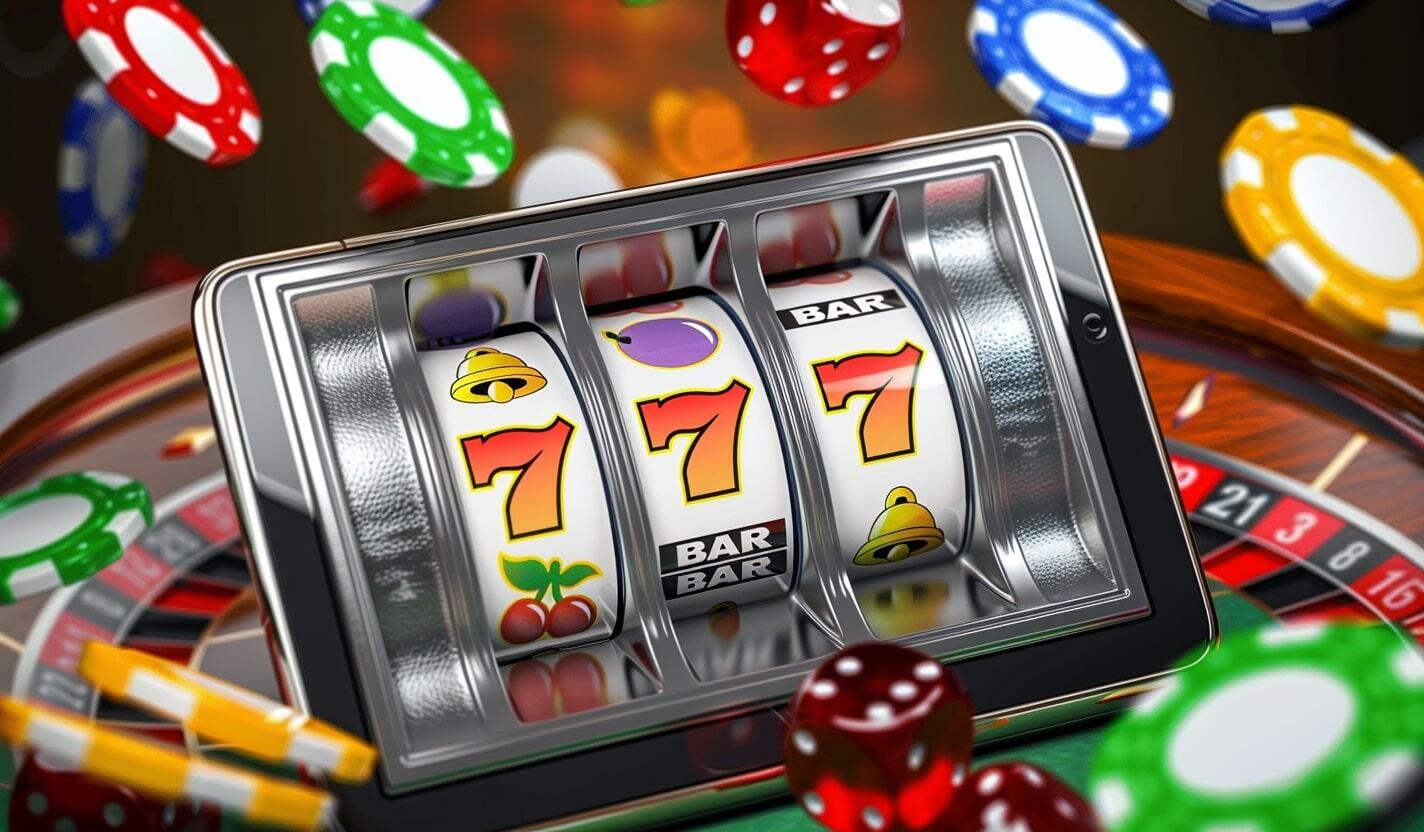
The world of casino gambling is captivating, drawing millions of individuals into its vibrant atmosphere filled with excitement and the promise of fortune. One key psychological aspect that contributes to this allure is the thrill of uncertainty. Gamblers are often motivated by the chance of winning large amounts of money, which can create an adrenaline rush similar to the highs of extreme sports or other risk-taking behaviors. The anticipation before placing a bet can lead to heightened emotions, and for some, this thrill becomes addictive. Many enjoy visiting online casinos to experience this excitement from the comfort of their homes.
Moreover, casinos are designed to be immersive experiences. The use of visual and auditory stimuli, such as bright lights, loud sounds, and the constant buzz of activity, can overwhelm the senses and encourage prolonged engagement. This environment can lead individuals to disregard their financial limits, as the excitement overtakes their rational judgment. Understanding this psychological manipulation helps to explain why people may gamble despite knowing the odds are often stacked against them.
The Role of Social Interaction
Social dynamics play a significant role in gambling habits. Many individuals are drawn to casinos not just for the chance to win, but for the social experiences they offer. Games are often played in groups, fostering a sense of camaraderie and shared excitement. The social aspect of gambling can enhance enjoyment and may even serve to mask the potential downsides of losing money. Individuals may feel more comfortable taking risks when surrounded by friends or strangers who share their enthusiasm.
Furthermore, social validation can reinforce gambling behaviors. Celebrating wins with peers or simply the act of participating in a lively gambling environment can create a sense of belonging. This communal experience can lead to repeated visits, as gamblers seek to relive the enjoyable moments and the connections formed in these social settings. However, this can also contribute to problematic gambling habits, as individuals may feel pressured to continue participating even when they are not in control of their spending.
Cognitive Distortions and Rationalizations
Gambling behaviors are often influenced by cognitive biases that distort a person’s perception of risk and reward. One common distortion is known as the illusion of control, where gamblers believe they can influence or predict the outcome of a game, despite the fact that these outcomes are typically based on chance. This belief can lead to repetitive gambling, as individuals may feel justified in their actions, convinced that their next bet is the one that will lead to a big win.
Additionally, many gamblers engage in rationalizations to justify their behavior. They may convince themselves that previous wins indicate a pattern or that they are ‘due’ for a win after a string of losses. This mindset can perpetuate a cycle of gambling, as individuals continue to chase their losses or believe that they have a winning strategy. Understanding these cognitive distortions is crucial for recognizing the psychological traps that can lead to compulsive gambling behaviors.
The Impact of Emotional State
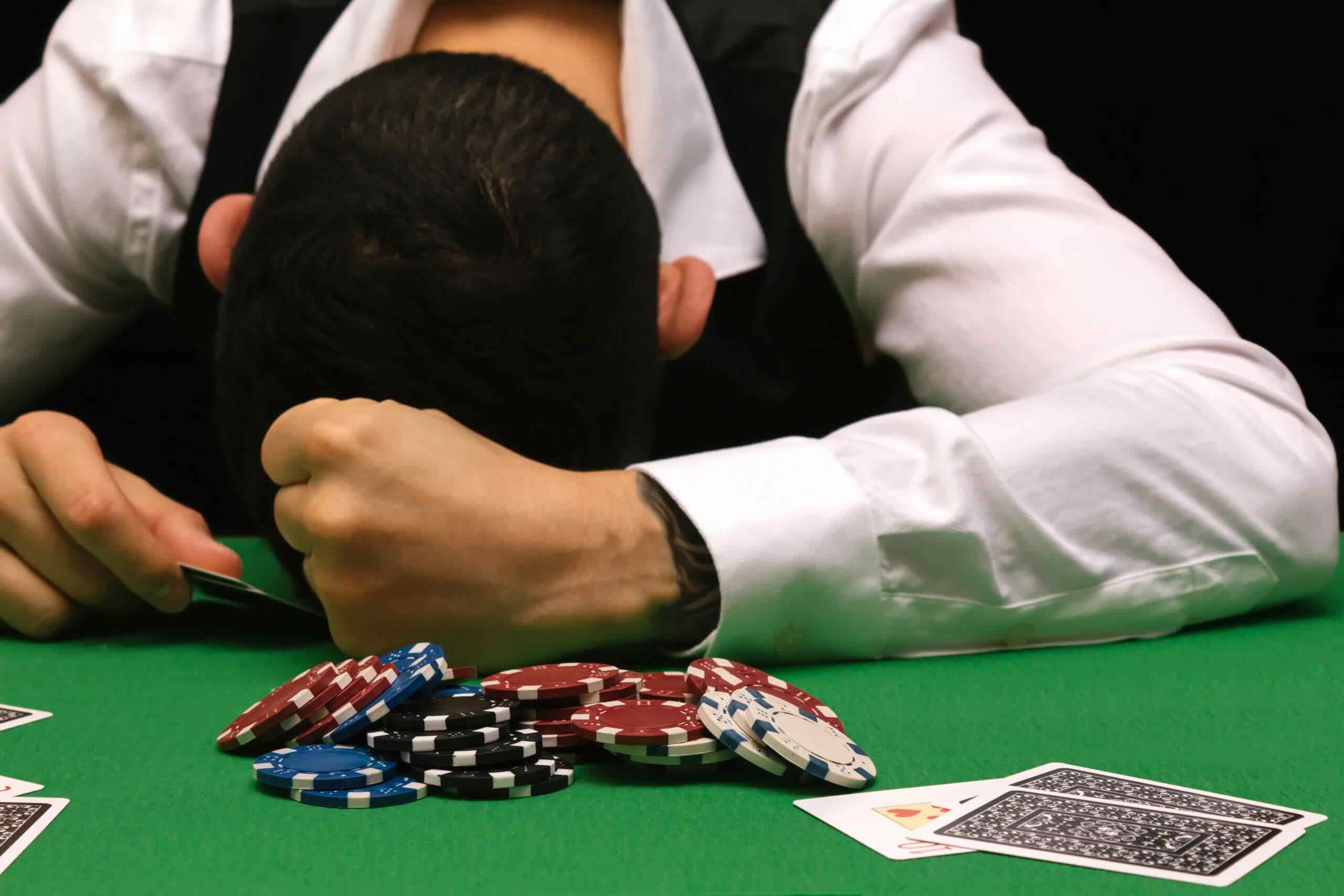
An individual’s emotional state at the time of gambling can significantly influence their decisions and behaviors. Many people gamble as a way to cope with negative emotions such as stress, anxiety, or depression. The temporary escape that gambling provides may offer relief from these feelings, leading individuals to use it as a coping mechanism. This can create a vicious cycle, where the individual continues to gamble to alleviate emotional pain, which often results in financial and emotional strain.
Conversely, positive emotions can also lead to increased gambling. Individuals may view gambling as a way to celebrate a success or enhance a joyful experience. The interplay between emotional states and gambling habits is complex, as it can lead to both responsible and problematic behaviors. Understanding how emotions drive gambling choices is essential for developing healthier habits and seeking help when necessary.

Resources for Understanding Gambling Habits
This website serves as a valuable resource for individuals seeking to enhance their understanding of the psychology behind casino gambling habits. By providing insightful information and supporting materials, it aims to foster better awareness and education surrounding gambling behaviors. Whether you’re a casual gambler or someone who may be struggling with gambling addiction, the resources available can help inform your choices.
Engaging with the wealth of information provided can empower individuals to make more informed decisions about their gambling activities. By understanding the psychological factors at play, users can develop healthier gambling habits and seek assistance if needed. The site is dedicated to promoting a positive experience and encouraging responsible gambling practices.